

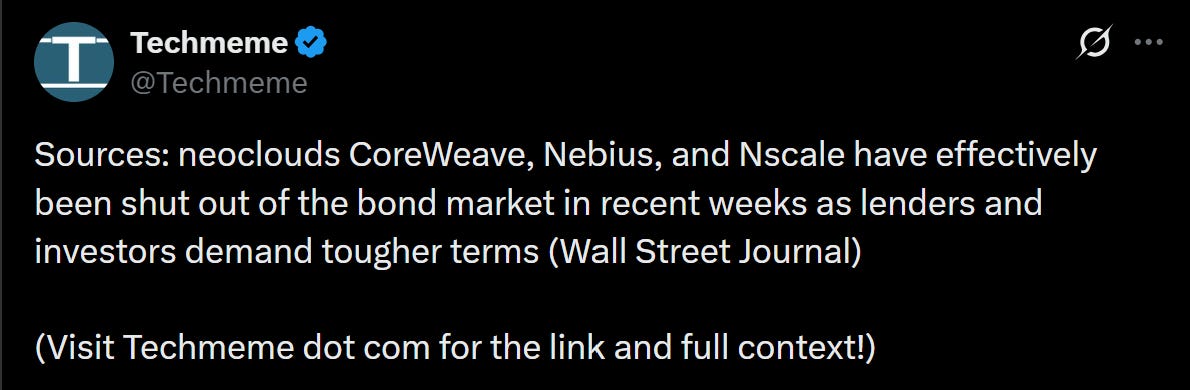

Good Friday evening, MacroEdge Readers & Community,
This evening I find myself in New York City, and I’m always reminded that I don’t ‘...belong in the city,’ as the song claims… Today was another interesting day in markets, and we finished out on a more volatile note. I want to keep the note concise this evening, getting the necessary points across and setting the groundwork for Sunday evening’s Weekly Macro Note. Tomorrow, we’ll have the Oil and Gas Research weekly macro note and update, covering the latest developments on the war front, Strait of Hormuz dynamics, inventory levels, and much more as we close in on the midterm elections.
If prediction markets are anywhere close to accurate, the elections are going to go as most suspect, and insiders in the Trump cabinet, especially those in the military, may push him into an even costlier campaign in the Middle East. Over the roughly 8 months of the conflict so far, there has been a massive restructuring of the top brass, and a defeated Trump come Tuesday evening may lash out at Iran, which he perceives as the cause of his defeat. While it hasn’t happened yet, it’s a scenario I suspect may materialize in the coming weeks, and I’m ruling out nothing on the conflict front at this point. While the so-called ‘mediators’ talk back and forth, these fraudulent headlines have served as very effective market manipulation and insider trading tools for those in power, and there’s really nothing more to add on that front. The inventory and flows story remains the same, and places like Europe are entering winter undersupplied on natural gas from their own onshore inventories, which will prove even more problematic if winter is colder than expected. Remember that while markets are supposed to be mechanisms of rationality, in almost every case, and agnostic to the underlying market or asset, they are anything but.
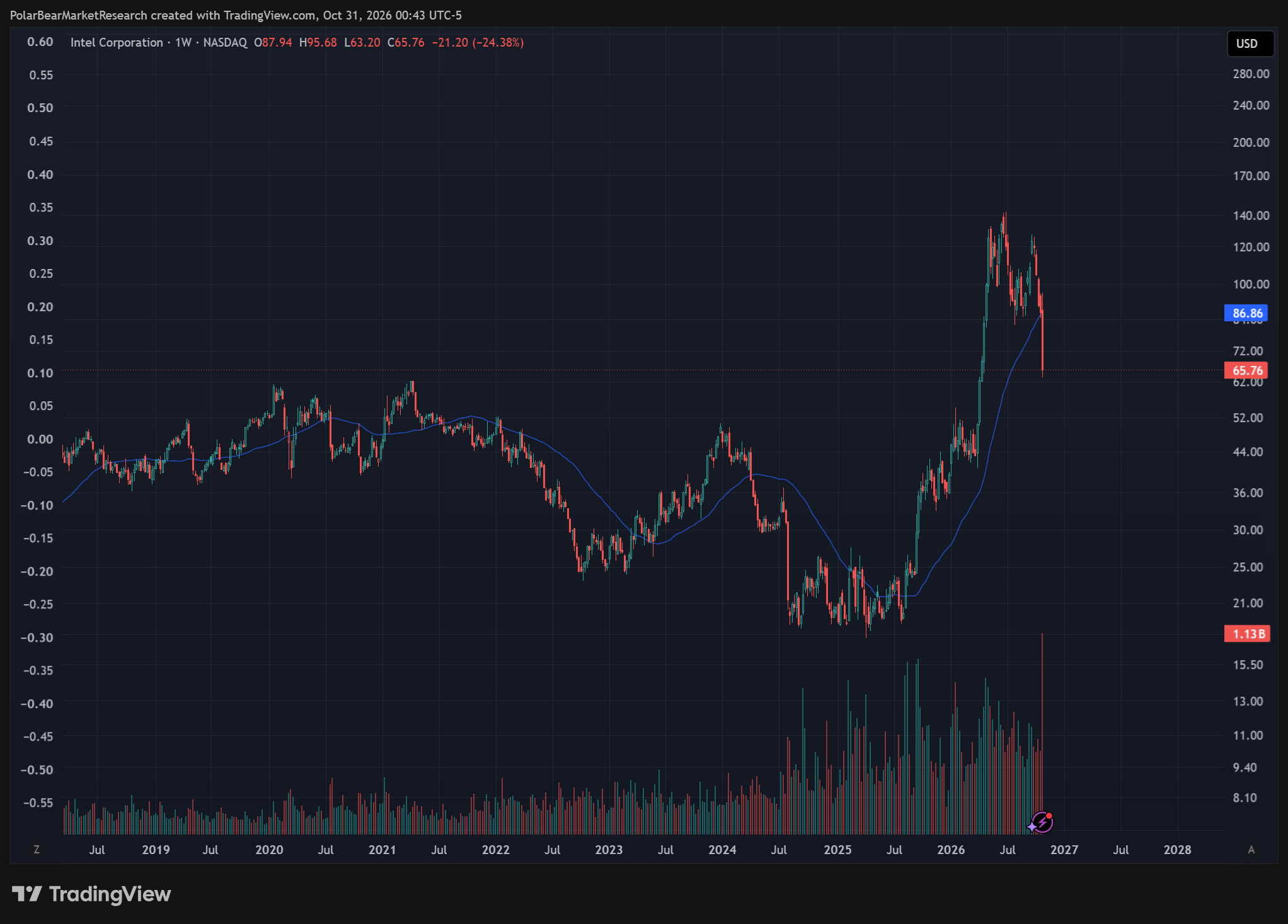
In this Redeye Macro Note, titled ‘Situational Awareness,’ I want us to carry that name into our everyday practice. Situational awareness doesn’t mean selling pixie dust or believing in the latest fantasy bet that will never produce a net profit. We need to be aware of both the market in the short term and our own forecasting and ‘nowcasting’ abilities, so we can execute the right moves at all times, across the board. And yes, sometimes that even means not making a trade. Today’s downside move got impulsive near the bottom, but there still wasn’t a ton of volume behind it, and I really suspect this period of ‘plateau surfing,’ as I’ve called it, will continue for some time. What that means is that while these impulsive moves chip away at the psychological belief in a new era or permanent melt-up in the high-beta equities that have driven the rally, no market moves in a straight line up or down, particularly to the downside. Just look at the up-and-down moves over the last 2 weeks as a very interim example of what I’m describing. What I do suspect will occur is a period of reflexivity, with wicked up-and-down ‘snap-style’ moves that keep everyone on their toes for a pretty significant period of time… These plateau windows usually last 3-6 months, and in the case of names like SMH, the expiration date for these distributive ranges is starting to approach. What does a plateau period become in the end…? Well, let Intel serve as one example, suffering its largest single-day loss on record today.
What I don’t want to do is fall into the trap of hopping into the echo chamber of consensus thought in our decision-making, as consensus is oftentimes on the opposite end of the spectrum from what’s going to win. Just this week, as one example, I noted that I had never heard so many everyday passengers on flights discussing AI equities. I’ve heard at least one conversation about it on each of my last 10-12 flights or so, which is unprecedented. Speculation has reached this level of discussion among the so-called ‘normie’ public, whose household equity exposure is currently at an all-time high. Our GBI toolkit, along with everything else in our arsenal, will continue to be extremely useful from this point forward, and there’s a real list of ‘things to watch’ to determine a cycle turn from a market standpoint. Whether Bessent finally loses the ability to alter the course of a damaged investor psychology remains to be seen, but I’m growing less confident in his ability to do so, particularly if the midterms go as projected.
Needless to say, we could go on and on about the risks: secondary market issues, CCC/BBB spreads widening, oil prices at elevated levels. The list really goes on these days. But we’re at a level that hasn’t yet broken enough for me to call the ball game on the plateau period. Of course, that could change Monday, and we already have some exposure to that trade and to what will work if the plateaus do begin breaking down. This evening, we’re going to cover the following:
Weekly Macro Note Preview
Situational Awareness: Not Operating with Emotion
Checking in on the Ghost Centers
Not yet a MacroEdge Ozone subscriber? Upgrade to paid below. Pricing increases tomorrow (11/1) to $45/mo and $399/yr from $33.33/mo and $350/yr currently, and if you subscribe now, you’ll remain rate-locked at your registration rate for life.
… and will this be our ‘65’?
Weekly Macro Note Preview: Updating Powell’s ‘Project Valhalla’ Roadmap
Outside of the Weekly Oil and Gas Research Macro Note tomorrow evening, we’ll have the next Weekly Macro Note after the futures open. I suspect the Trump Administration may pull its last emergency-TACO mechanism before the midterms, whether that’s some sort of fake last-hour peace announcement or something else related to petroleum products.
I need a better read on the looming political dynamics to see how this ‘party war’ may play out, with Congress likely to be diametrically opposed to the Trump agenda. What we’ll see ramp up is roadblocking, investigations, impeachment efforts, and oversight, all of which have been non-existent for 2 years. That means things like insider trading (and outright oil futures manipulation via ‘peace deal’ headlines) may start to fall by the wayside. Another interesting component added to the mix today: the SEC announced it will take a closer look at AI firms and their offering decks to make sure risks are actually transparent. Ironically, while Democrats may have a vested interest in sinking the economy, the Trump Administration will likely pin the downside macroeconomic ramifications on them as they materialize… The reality will probably land somewhere in between.
As we continue to ‘surf the plateau,’ we’ll find out over the next 3-6 months how sustainable these quasi-commodity trades become if the generals start getting taken to the woodshed one by one. The big one to watch in the next few days will be AAPL, which has acted as an anti-AI, flight-to-safety trade:
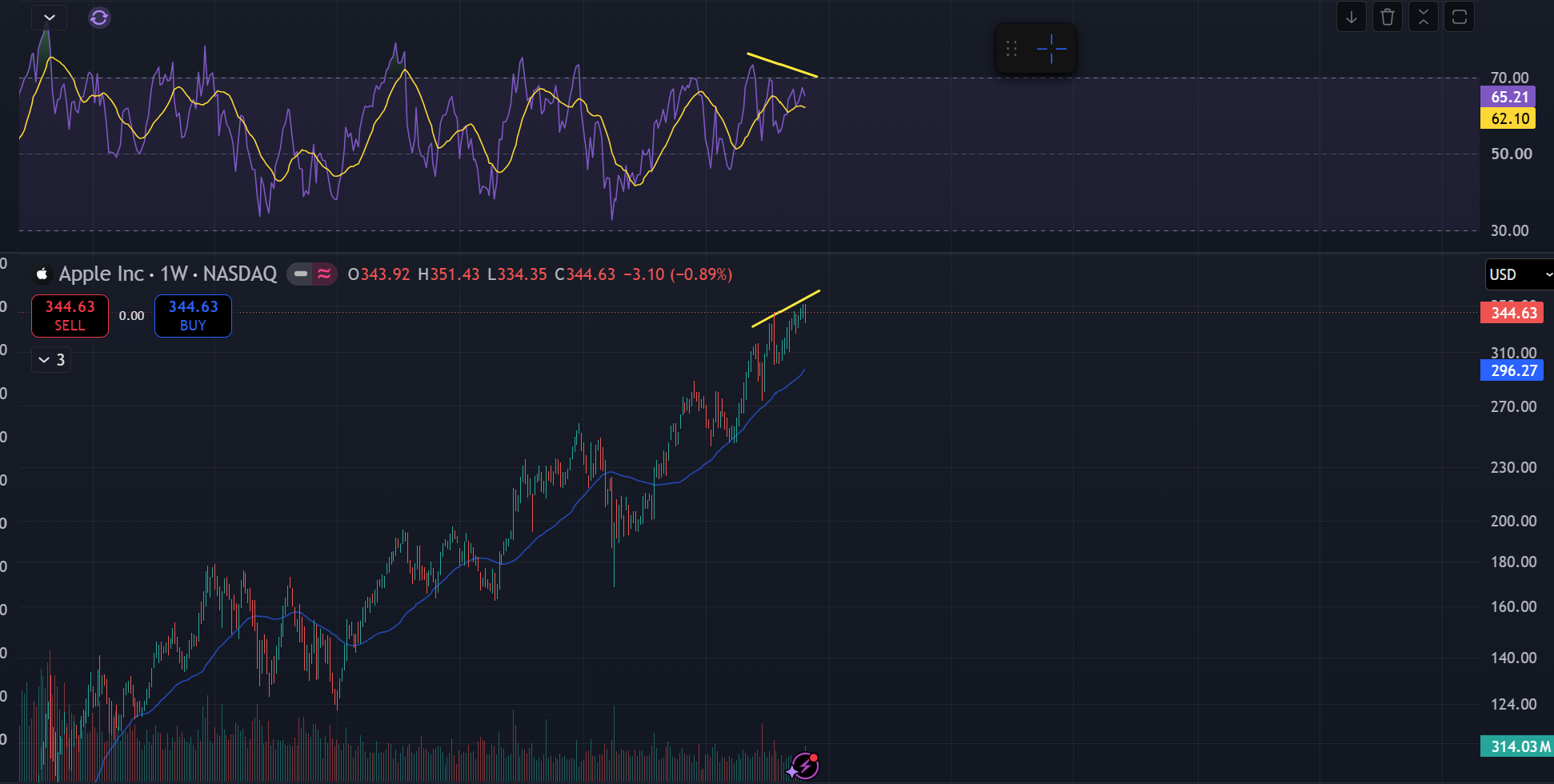
Note the divergence building there on the weekly - not necessarily a sign of the end - but a very reliable signal for more volatile waters ahead.
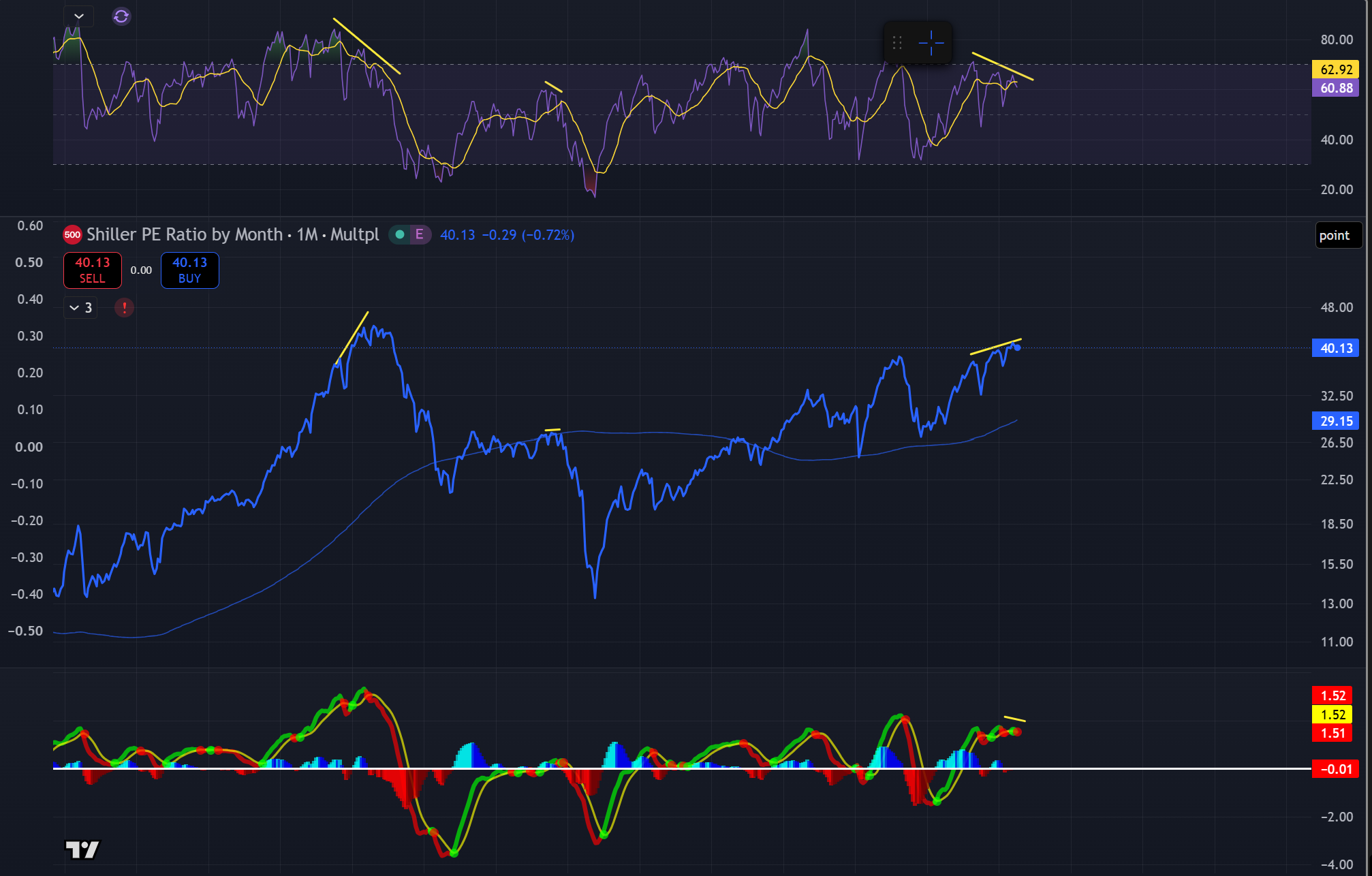
The Wilshire 5000 has its first chance in broader troubles ahead in years:
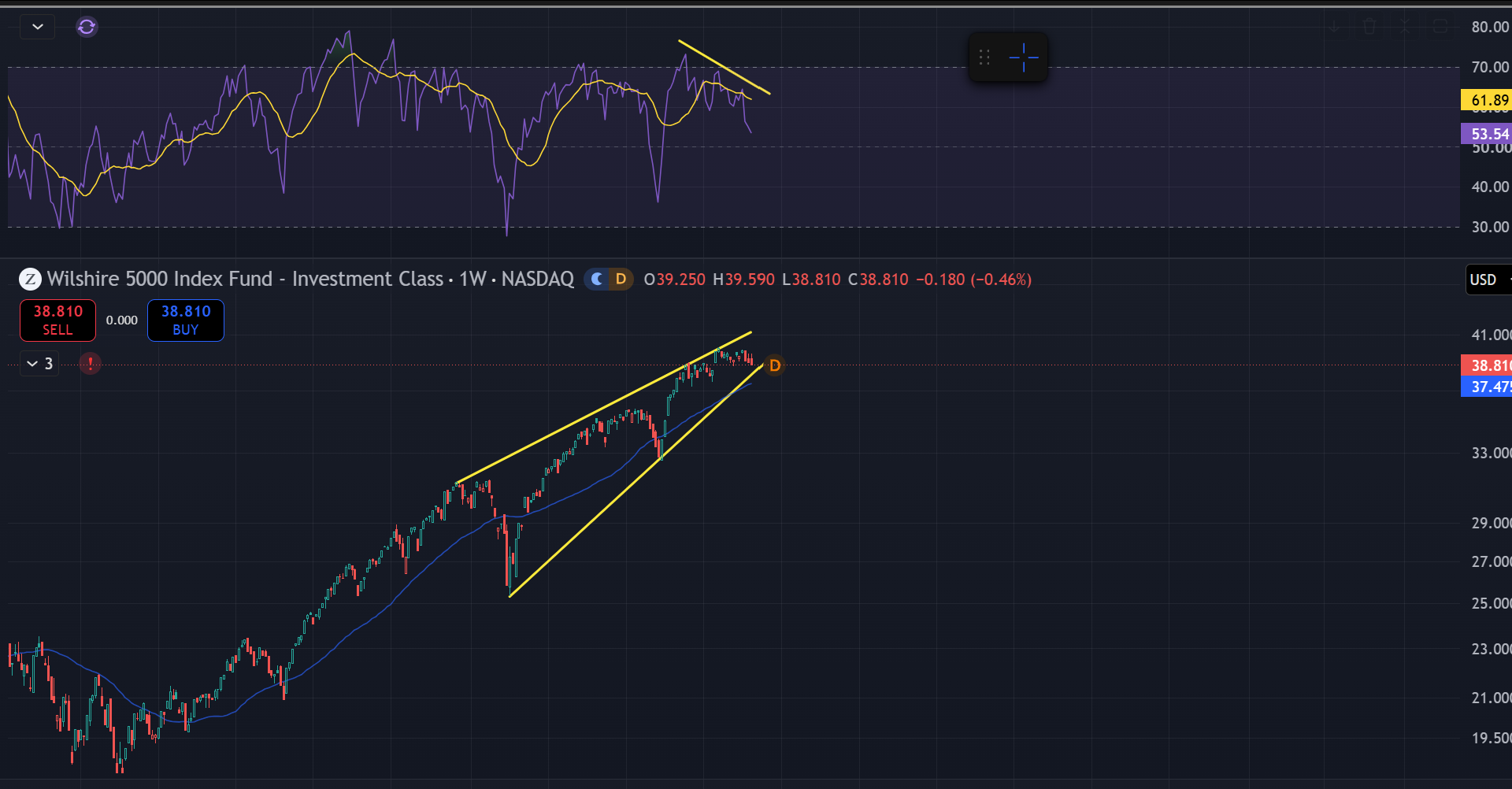
And we’ll go into the technicals in greater depth on Sunday - as I suspect things like AIS, DTCR, NVDA, and other names continue to operate at/near very critical levels - especially with Nvidia finally losing its lower support trend today.
(Tom Lee’s ETF is another useful cycle barometer):
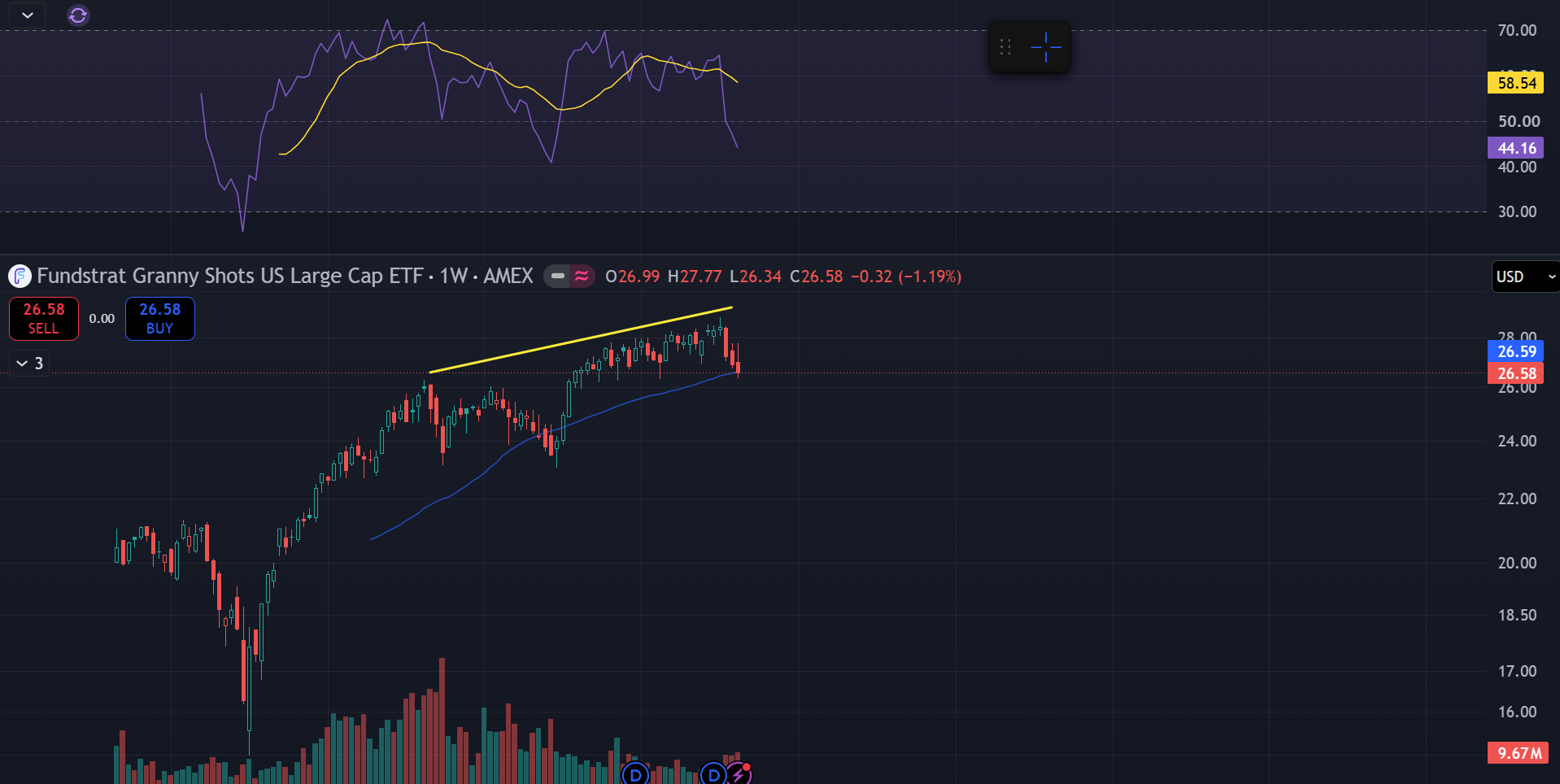
… and yet another that I suspect is nearing an ‘impulsive move’... What we haven’t yet seen is the impulsive downside move into an 8-10% ‘BMR,’ but Bessent & Co. are likely watching closely. Pre-Tuesday action could get interesting, though I don’t expect strikes over the weekend as they continue to prep for action. As one barometer, seeing YouTube video after YouTube video on the ‘panic’ in equities gives me great pause as I continue on my path toward total, unbiased objectivity about this thing we call a ‘market’...
In the Weekly Macro Note, to come:
Our Macro Cycle Toolkit
Powell’s Valhalla: The Music Slows and the Transition Ahead
Technical Overview
Macro Week Ahead
A Renewed Look at Spain and Japan
The Stagflation Problem and a Look at Bonds and Yields
More to come this weekend. Going forward, let’s let the performance speak for itself, and our macro research will continue to transition in that direction as we talk less about the things that don’t matter anymore (like initial claims).
Upgrade below to continue reading.
