4th of July Market Note: Mag 7 with Wings. Zeds not Dead. 2007 Summer Pool Party Redux.
Trying to get a clear data & macro picture has become more difficult than ever - but the goal remains to stay objective even as new 'hot things' abound - time to keep the glasses on and stay focused.
Don & Six provide a welcome to Q3 market note below.
Happy 4th of July holiday weekend everyone,
As we continue to wind up the start of the third quarter - the economy and economic data continue to weaken - which in the face of an increasingly ‘manic market’ - makes it more difficult to stay focus on the real data that is hidden by an increasingly narrow rally in a select few stocks taking the Nasdaq and S&P higher. Our team has done a fantastic job of staying objective on all of the data affecting everyone from small business owners to bankers - and that will remain our goal into the 3rd quarter as we expand data coverage here in the next few weeks with MacroEdge Global and prepare for MacroEdge TV episodes, and more.
I am going to keep this note rather short and open to everyone this evening, but make sure to join us at MacroEdge.net
MacroEdge is a reader-supported publication. To receive new posts and support my work, consider becoming a paid subscriber.
As many of you know - there are many of us are sitting here scratching our heads as the market continues to rally higher and higher under nirvana like conditions (for stocks) as the underlying economy weakens pretty briskly. I am taking the position that this summer is shaping up to a redux of Summer of 2007 - where no one cared, no one was paying attention, and the weakening economic internals didn’t bother markets for a considerable period of time. Thus - Zed is not dead - and the Mag 7 wings may not yet be clipped - even though the economy’s wings have been.
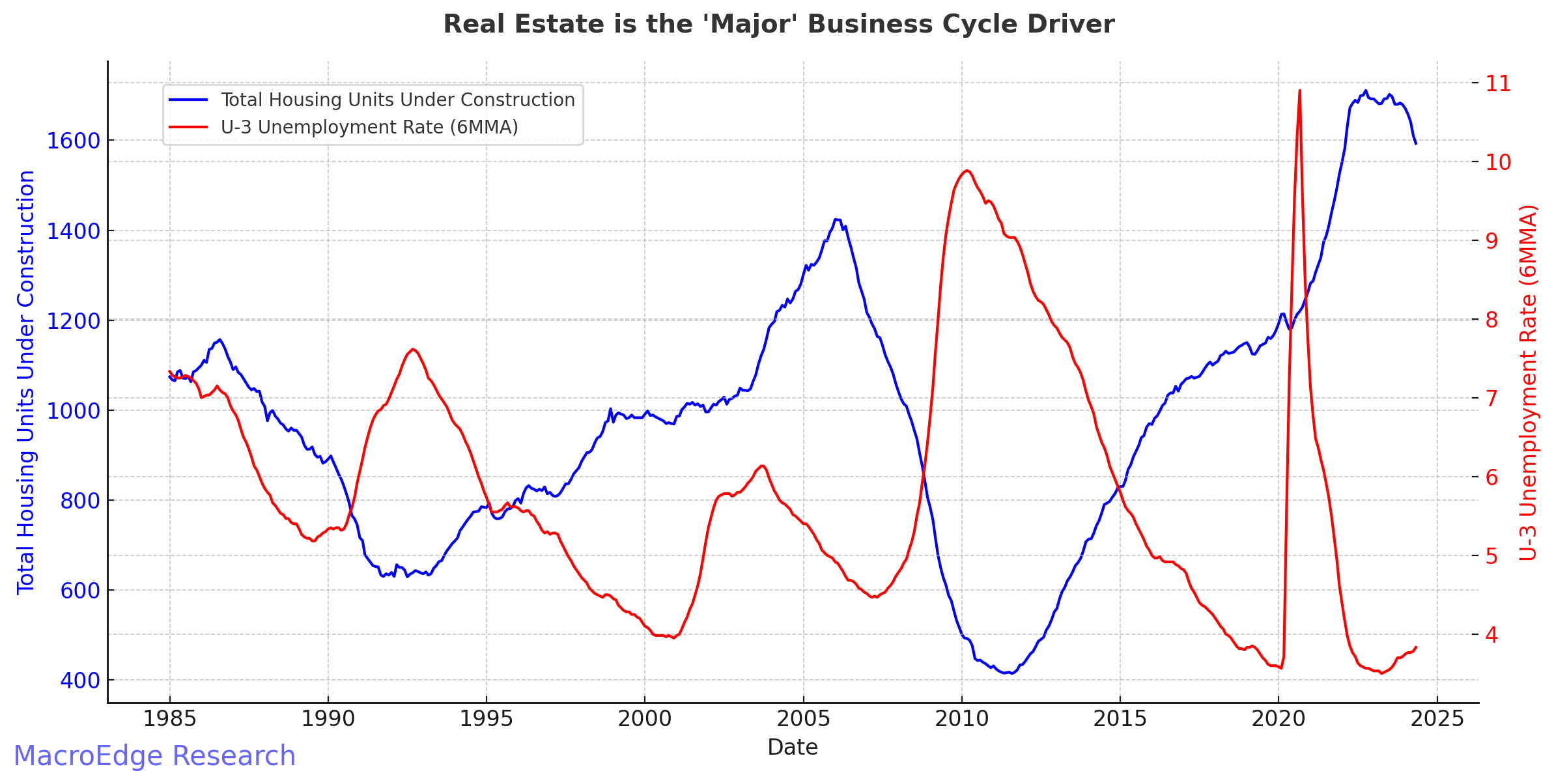
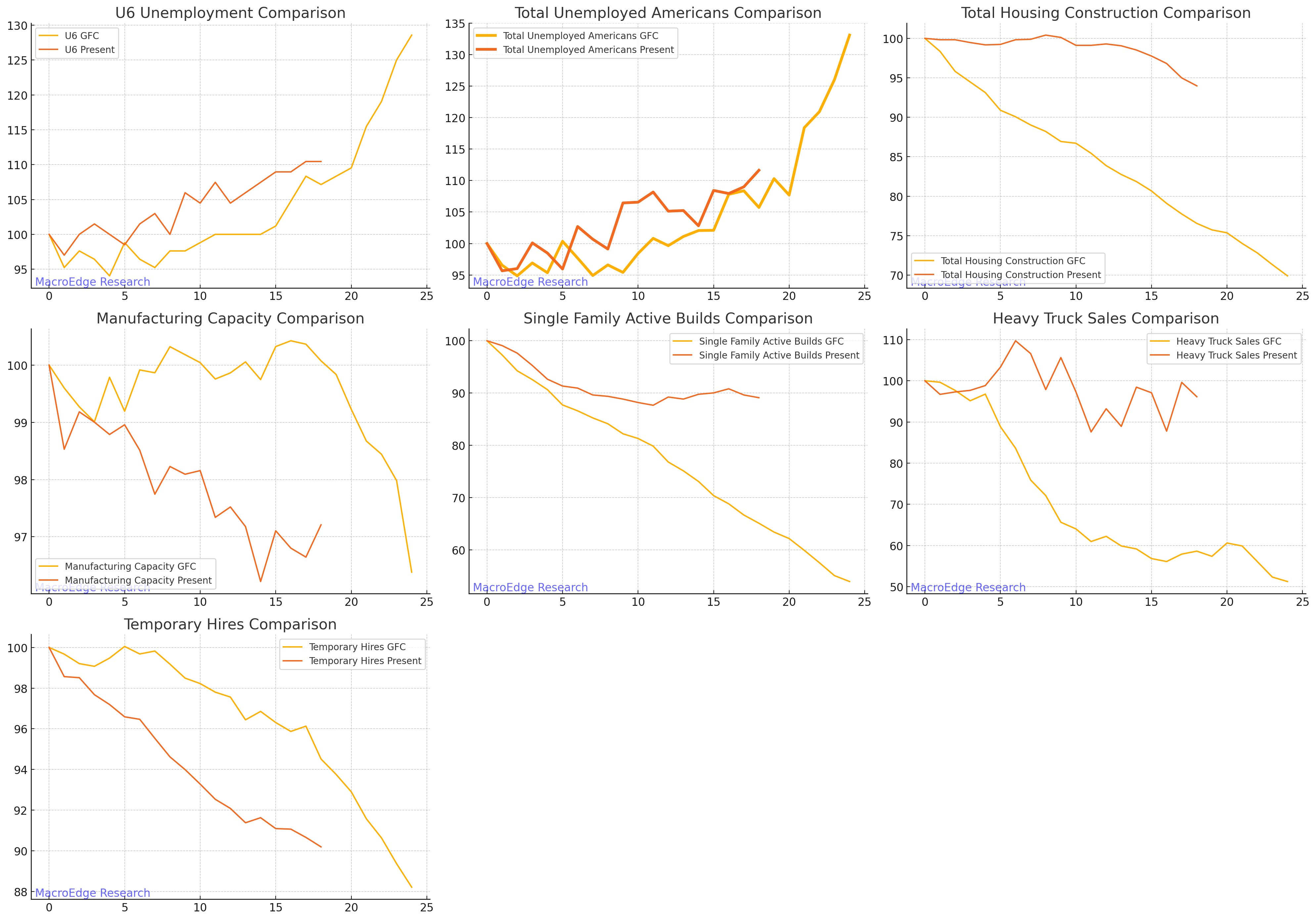
The construction cycle has peaked, unemployment is rising, numerous sectors and NBER indicators are in contraction from the 10y3m inversion point, yet markets seemingly have unlimited risk appetite for more and more even in the face of this. My goal is to acknowledge that reality, present it in the context of history, and give a quick snapshot of the latest data from today, as well as on the real estate side of things for a nice pre-4th market overview. Overall, very little in the macro data or real economy has deviated from the story of a slowing economy.
Real estate is the business cycle - and I don’t think we’re jumping the gun on being concerned about the weakening story here:
I (and most of us here at MacroEdge) as I’ve noted in several notes to our readers - continue to focus primarily on the weakening labor market - the driver of our consumer economy, even though this cycle on the aggregate continues to churn and weaken at a slower pace than pre-December 07 when things began to rollover in the last true economic cycle. Barron’s latest cover sums up nicely what’s making us scratch our heads (and cost people like Marko Kolanovic their jobs):
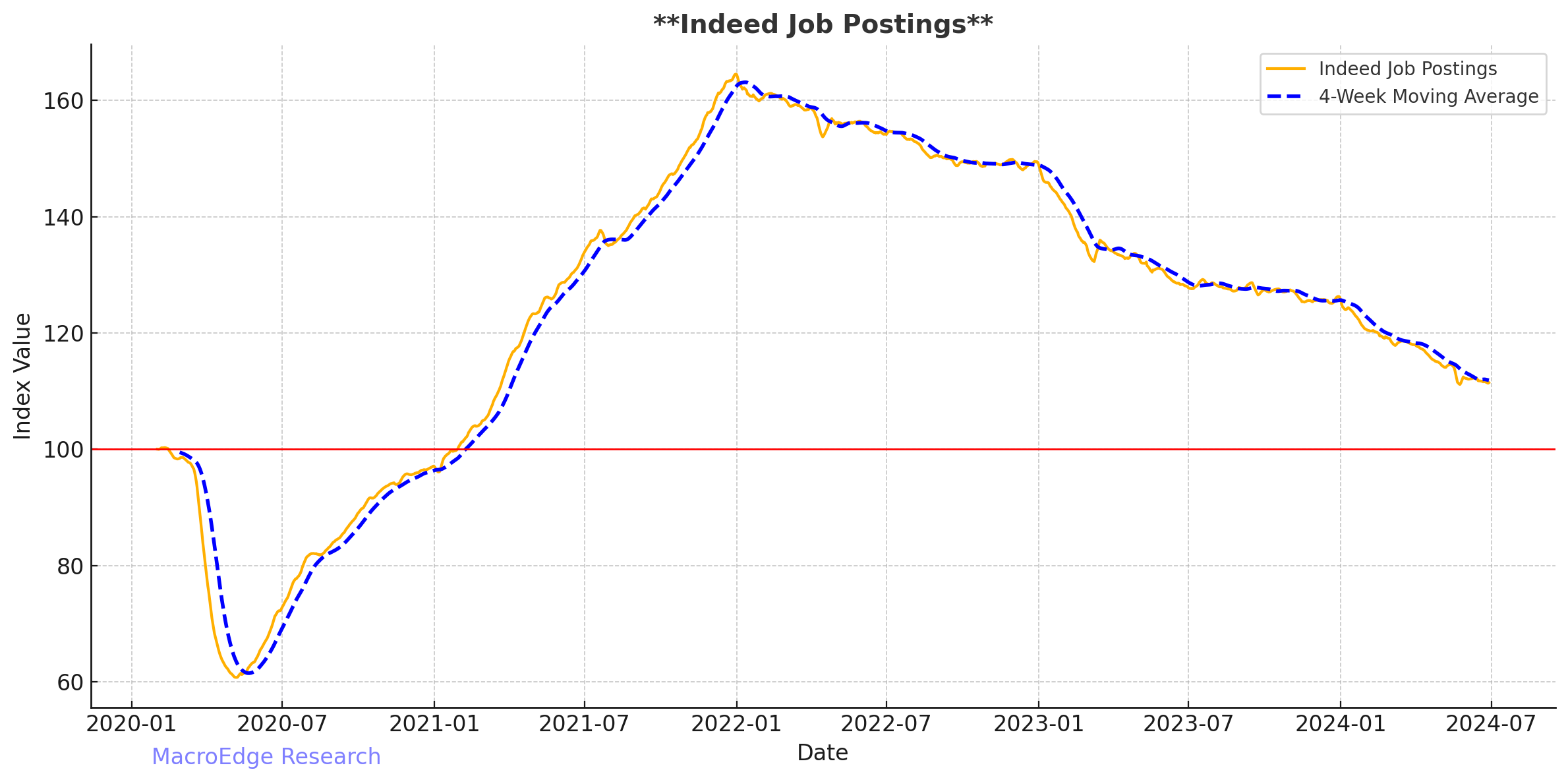
JOLTS month to month noise is cancelled out through Indeed data smoothing (which is live and present data (as of July 3rd):
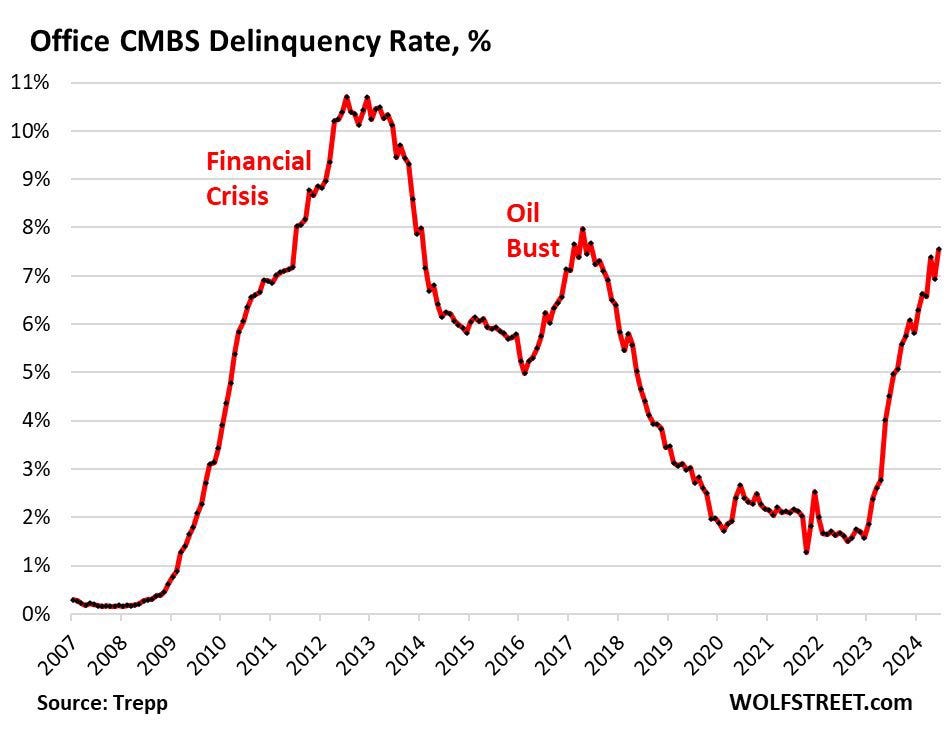
The office CRE story remains at one of its weakest points in history, particularly on the vacancy side, with office vacancies cresting an all-time high in June (>20% of office space in the US is now vacant), with delinquencies climbing as well:
On Markets
Not much to say on this front other than employment being the only thing at this point that may spook markets-at-large.
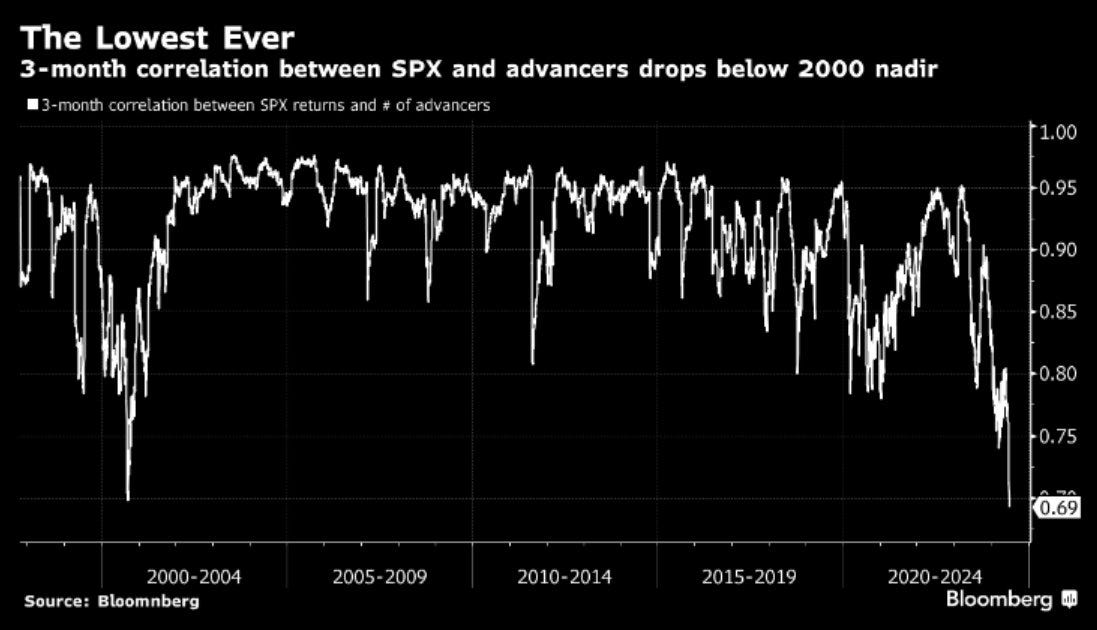
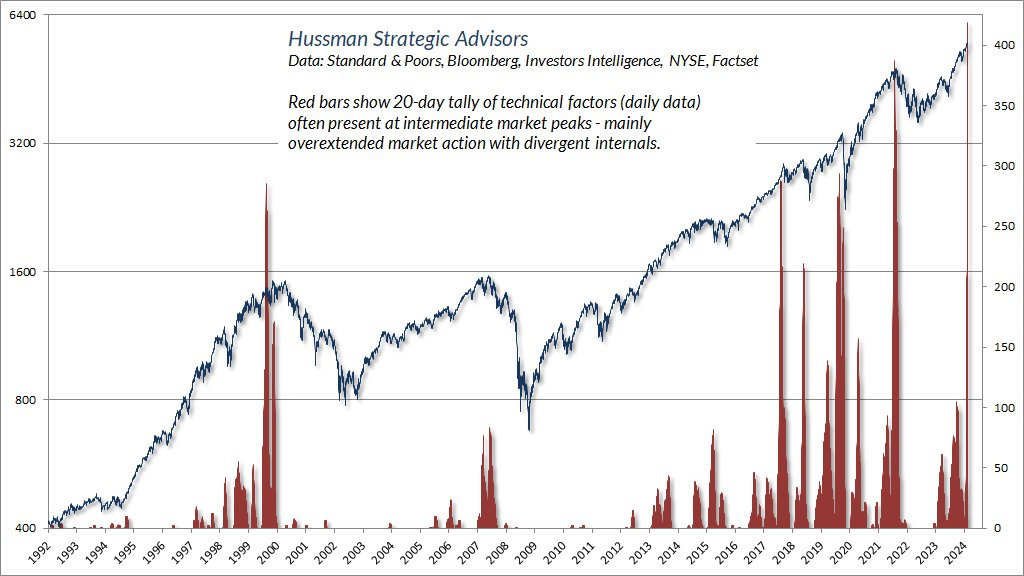
The market internals are the worst in history, but that doesn’t the increasingly narrow rally can’t go higher:
Hussman’s gauge of internals is the worst in history:
Today’s macro data reaffirms our view of a softening economy and weakening labor market:
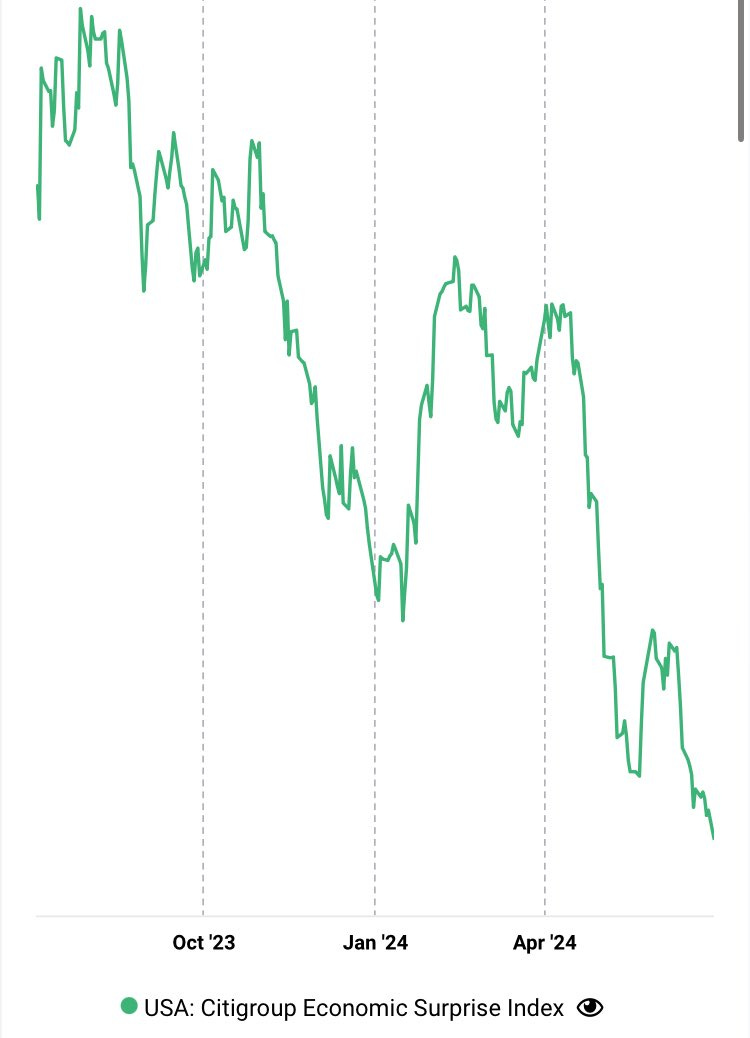
Today’s CitiGroup Economic Surprise Index (back to 2022 lows):
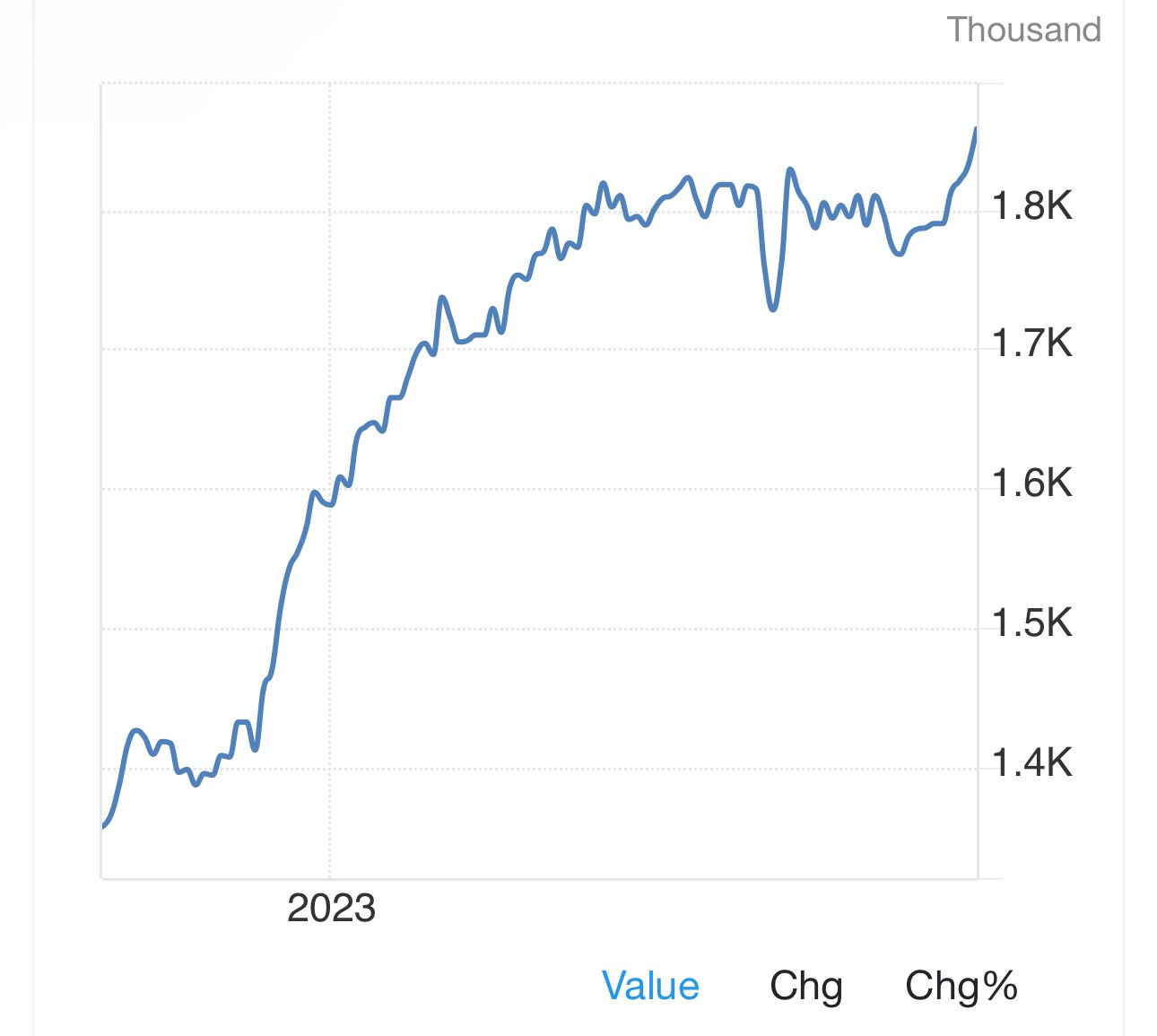
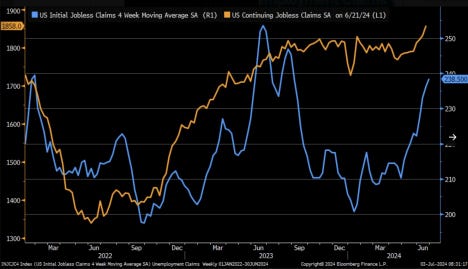
Continuing Jobless Claims hit their highest level since the trough of 2022, and are rising quickly:
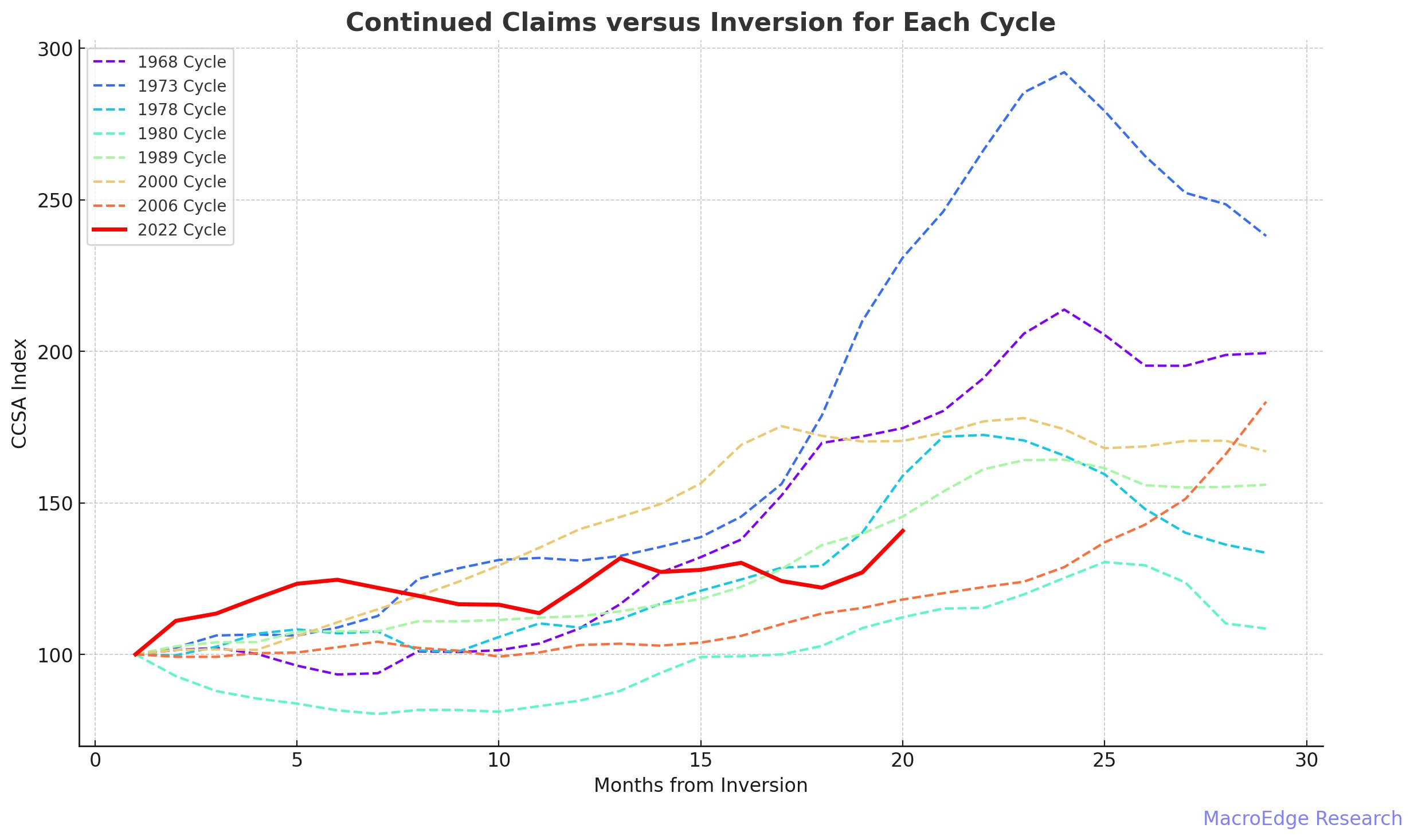
Continuing Claims Index:
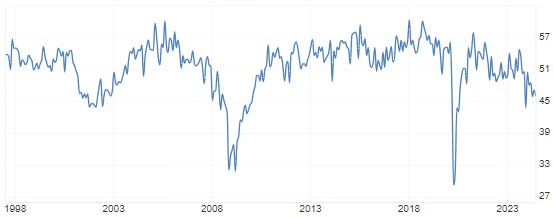
ISM Service Sector Employment (noticing a trend here?):
Friday’s BLS thoughts:
The Summer of 2007…
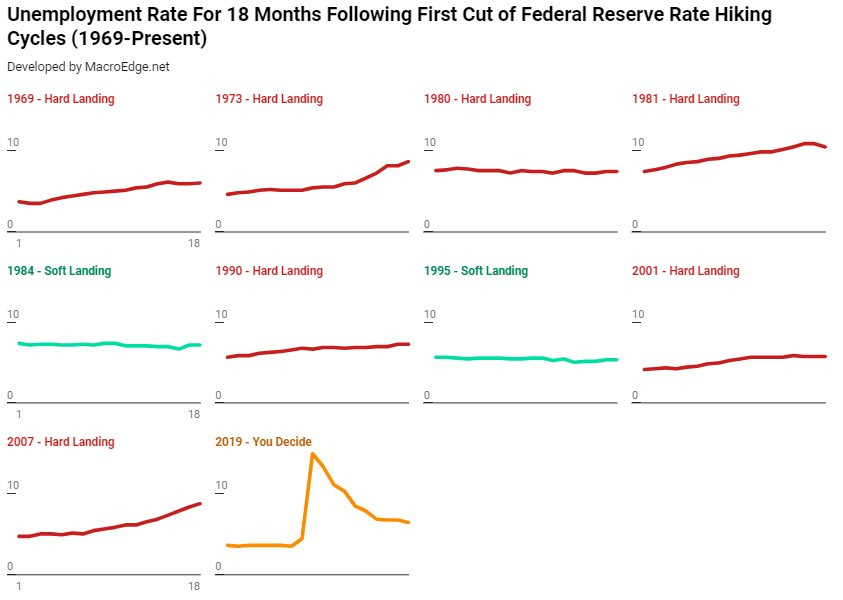
Expect a mixed bag during the lag, unemployment may tick up to 4.1%, or stay flat at 4.0% (exp range of 3.9-4.2%). The broader labor market internals continue to weaken and as you can see in charts 1 and 2, the labor market is a very slow-moving piece of the overall economy. At this point, we’re in a wait-and-see mode on the data side of things over the next quarter which will give us a clearer picture of the softening labor market direction going into 2025.
We’ll continue to respect the lag:
Happy 4th and have a great holiday. Let’s wait for cuts next.
Don
Q3 Market Kickoff Note - @SixFinance, MacroEdge Head of Research
I want to wish everyone a great 4th of July tomorrow. Hopefully you all are having a wonderful summer, as I have been. The kids are loving the weather and we just got back from the beach. It was a great and wholesome time, where I got to take my mind off markets and refresh for a few days, and come back recharged and excited.
As I sift through the incoming macro data, it becomes more and more evident to me that U.S. Treasuries (USTs) are where I want my exposure. The incoming macro data continues to disappoint, and other central banks around the world are beginning to cut interest rates. The ECB, having already cut once this year, is already discussing 2 more cuts for 2024. Core PCE, the Fed’s preferred inflation gauge, is at 2.6% YoY, and 0.1% MoM. At their latest meeting, 2.6% YoY is where the Fed forecasted the gauge to close out the year at. Personal spending missed on a monthly basis on Friday, and 1 and 5 year inflation expectations came in below expectations. ISM Manufacturing came in below expectations on Monday, with employment, Manufacturing PMI, slipping into contraction. Prices paid printed 52.1 vs 55.8 expected. Atlanta Fed GDPNow Q2 has regressed down to 1.5%, which when adjusted for Core PCE inflation, puts the upper band of fed funds 140 basis points above nominal GDP. Job openings JOLTs came in slightly above expectations, however is heavily trending down. ADP Nonfarm employment change missed this morning. Continuing jobless claims printed a new cycle high, and initial jobless claims are going vertical.
Factory orders slipped -0.5%MoM vs +0.2% expected. ISM Non Manufacturing Employment contracted to 46.1 vs 49.0 expected. ISM Non Manufacturing PMI slipped into contraction at 48.8 vs 52.6 expected. ISM Non Manufacturing Prices missed to the downside.
A lot of data incoming, not all of it bad. However, what it does point to, is that the overheating in the economy appears to be coming to an end. It is too early to know for sure, and we can take heed of Canada showing a rather large upside surprise in their CPI data following their interest rate cut. The Fed is sure to be watching the reactions of other developed economies to monetary policy loosening, especially following the blunder in December, in which the Fed teed up interest rate cuts that reignited inflation.
From the Fed Minutes: Several Specifically Emphasized Further Demand Weakening Could Generate A Larger Unemployment Response Than In Recent Past.
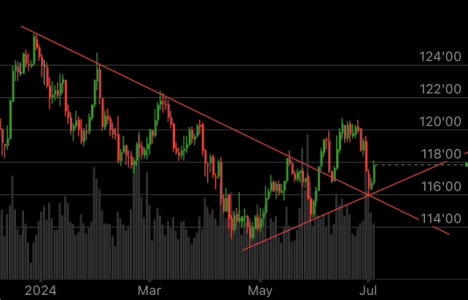
First, let’s discuss the movement in treasuries between Friday and Monday. Treasuries sold off relatively aggressively shortly after the pop following PCE data. Whether this was related to the debate performance, and pricing in a Trump presidency, and its’ potential fiscal implications, I’m not sure. The entire
curve sold off, with longer duration tenors being hit the hardest and the entire curve bear steepening. Given the fact that it is now retracing to the upside, it appears to be short term noise. Bond futures have retraced to their trendlines, and bounced nicely on both the longer term downtrend line, and the shorter term uptrend line. Nothing about the recent movement has made me change my stance on treasuries, although I am a bit embarrassed to admit I did not heed my own advice on adding to my position on the dip. Easier said than done in the heat of the moment I suppose. Regardless, it remains my largest position by far.
(ZB Bond Futures)
Much has been said about deficit spending and bonds being nearly unbuyable. The prevailing market expectation is that inflation will be above trend in the years to come, and that the fiscal impetus will be unyielding going forward. I do not see those being the primary drivers of the fixed-income market over the coming year. Bid-to-cover ratios at recent auctions have been strong, showing the “bond vigilantes” are nowhere in sight. Inflation expectations are also currently priced for little to no progress on inflation over the next 5 years. As the monetary policy tightening cycle begins to enter its’ later innings, and the Fed remembers its’ recent pivot blunder, and likely waits a little too long before cutting rates, I find it likely that we will see a material slowdown, the magnitude of which is certainly up for debate. In that world, demand for “risk free assets” in a declining interest rate environment, will be robust. U.S. Treasuries as a risk-free asset, remain, as Ross Gerber loves to say about U.S. equities, “the only game in town”.